
Sexual Surrogacy: Your Questions Answered

Human sexuality is highly complex, to say the least. While there is a prevailing wisdom that most people want to have sex as much as possible and that there is something truly harmful about a lack of sexual desire, this is not necessarily the case. Those who appear to lack sexual desire may actually be suffering from a fear of intimacy or sexual connection with another person for various reasons. These issues can sometimes stem from previous sexual abuse, though that is not always the case. Regardless of the root cause of the fear of intimacy, it is important that everyone has the opportunity to get the most from their sexual experience, and this may involve the practice of sexual surrogacy. 

What Is Sexual Surrogacy?

Someone suffering from immense fear regarding their body, intimacy, and any part of the sexual experience may require assistance from a sexual surrogate who can act as a guide to help that individual work through some of these issues. Healthline.com explains how this relationship works: 

Surrogate partner therapy, as defined by the IPSA, is a three-way therapeutic relationship between a licensed therapist, a client, and a partner surrogate.

It’s designed to help the client become more comfortable with intimacy, sensuality, sex and sexuality, and their body.

While this relationship can develop with any licensed therapist, Shattuck says it’s usually with a sex therapist. It means that clients may develop a physical relationship with their therapist, including having sexual intercourse with them. Of course, there is no guarantee that the two will engage in intercourse, but some patient-client relationships are stable enough to allow this to happen. While this is unconventional to the therapy experiences that millions of others have, it can be hugely beneficial to someone suffering from intimacy issues. 

Who Can Benefit From This Form Of Therapy? 

We have already touched on the idea that those who have experienced sexual trauma in their life may benefit from a sexual surrogate, but others can benefit as well. Groups that have noted benefits include: 

  • Those with erectile dysfunction 
  • People with body acceptance/body image disorders
  • People with disabilities that make having sex more difficult 

People with these issues (and many others) may use a sexual surrogate to help them bridge the gap between where they are today and where they would like to be going forward. Remember, the ultimate goal for most of these individuals is to have a functional and healthy sex life with people they meet. To get to that point, they may require the assistance of a sexual surrogate therapist.

How Is This Different From Escorting? 

It is crucial to understand that a sexual surrogacy arrangement is not the same as an escort-client relationship. The latter is an agreement to exchange money for sexual favors in a financial arrangement the two set up beforehand. The prostitute’s client likely does not have issues with intimacy or sex; they want to have sex with that particular individual at that specific time. 

A sexual surrogate is an entirely different relationship altogether. The first thing to understand about a sexual surrogacy relationship is that the surrogate does not necessarily have intercourse or any sexual relationship at all with their client. This may be on the table, but it is not a guarantee. It depends on the needs of the client and the comfort level of both parties. With a sexual surrogate, the client is not paying to have intercourse with the therapist. Instead, they are paying for the therapy itself. That therapy may include intercourse in some cases, but that is not the primary purpose of the payment. It is important to note these distinctions as the practice of prostitution is illegal in nearly all jurisdictions, while sexual surrogacy therapy is legal in many places. 

How Do Clients Benefit From This Relationship?

Each client is a unique person who may take away their own set of benefits from the experience of sexual surrogacy. However, many report that they have an improved image of themselves, a lessened fear of sexual intimacy and touch, and a better sense of their sexuality and its place in the world. The International Professional Surrogates Associates puts it this way: 

Clients grow to trust and care for the surrogate partners, with whom they share honesty, intimacy, and meaningful emotional work. Through this genuine relationship, clients experience themselves and intimacy in valuable new ways. Clients learn how to develop trust and satisfying relationships. They are able to see that the same potential exists for their future relationships.

These are lasting impacts that a client can carry throughout all aspects of their life. It may even help them see improved relationships that are not sexual at all. Building heightened trust around relationships with other people, in general, is a very positive thing. 

Extensive Training Ensures Proper Relationships

It would be dangerous and inappropriate for someone who was not highly trained to become a sexual surrogate for a client. The entire process is incredibly intimate and delicate and should only be handled by a true professional. Those who become sexual surrogates go through years of training to perfect their techniques, and they spend a great deal of that time learning more about their clients and how they may respond to various obstacles. It is only after all of that training that they would even be considered for a career as a sexual surrogate. As such, you can rest assured that should you seek this service, you will be working with someone who knows what they are doing. 

Human sexuality remains incredibly precious and a gratifying experience. We should all treat it with respect and care, which means making sure we get help when we need it from people who know how to help. 
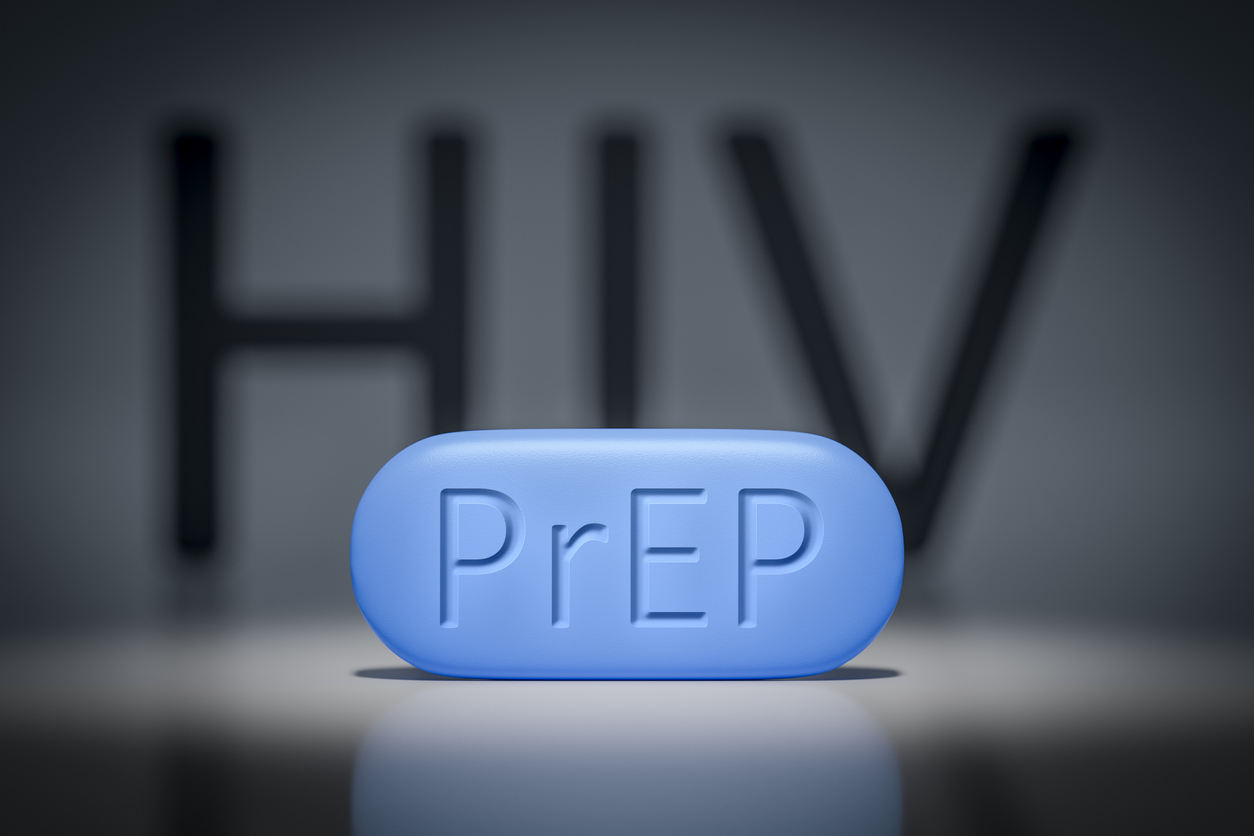
Do PrEP Medications for HIV Prevention Work?

HIV prevention and treatment have come a long way since AIDS reached epidemic status in the 1980s. Since then, attitudes towards sex and hooking up have evolved, and safe sex has become a much more common discussion in bedrooms and mainstream media. 

While it’s still vital to use condoms, there are other options available these days to further cut your risk of contracting HIV. One such option is HIV prevention medications you can take before transmission even occurs, called PrEP. But just how effective are these medications? First, let’s examine the basics. 

What is PrEP?

According to the Centers for Disease Control, “Pre-exposure prophylaxis (or PrEP) is medicine taken to prevent the transmission of HIV. PrEP is highly effective for preventing HIV when taken as prescribed. PrEP reduces the risk of getting HIV from sex by about 99%; however, as a few Adult FriendFinder members we spoke to pointed out, that number should be taken at face value. 

99% Still Means 1 Out of 100

If you plan on having sex once, then sure, your odds of getting HIV from someone using PrEP properly are relatively low. But, on the other hand, if you have an active sex life, then chances are you plan on being far more sexually active. So even with 99% protection, the odds are actually not in your favor unless you take a multi-protected approach to sex. Yes, that means condoms are still necessary. 

“When Taken As Prescribed” Isn’t A Guarantee

The CDC stats are based on the idea that the person you are about to have sexual contact with took PrEP exactly as prescribed. They are betting your new partner didn’t miss a dose, didn’t skip any other protocol, and is the model patient at every moment of every day. That may not seem right when you think about how you have been with them for the last 10 hours, and one of the things you love about them is their carefree attitude about so many other parts of life. Always assume others have missed a dose or skipped a required part of the prescription, and you’ll never be unpleasantly surprised.

Honesty Is Still The Key To Prevention

It’s easy to convince yourself that HIV/AIDS is a thing of the past because treatment has improved so much from what it was a couple of decades ago, but we all must stay vigilant and avoid falling into the trap of complacency. It’s still a serious concern, but it is now manageable if we are honest with ourselves and our potential lovers.

Educating yourself and those you choose to have sex with is the best way to keep everyone safe, happy, and orgasmically exhausted. Lay out your positive status the same way you would discuss any other health-related criteria for sex. For example, you wouldn’t keep an old sports injury or a cold sore a secret from someone you are about to have sex with, and you shouldn’t keep your status secret either. That said, where it used to be met with derision or rejection in the past, so many more people are aware of the advances in medicine and open to sexual relationships with people who happen to be HIV positive these days.

There are plenty of resources online that explain any risks associated with sex and share what people need to know so they can enjoy sex in the most carefree and exciting way possible. For example, if you wanted to have sex while skydiving, you could – but that doesn’t mean you would choose not to pack a parachute.

Having open and honest conversations about sex is the key to all aspects of satisfying relationships, whether they are meant to last a lifetime or intended to be a single no-strings-attached evening of mutual excitement.

The Bottom Line

PrEP is just the newest advancement down the path to preventing HIV before it happens, but it isn’t a complete solution. Used in combination with other safe sex practices, including condoms, it can reduce the risk of transmission to a truly negligible level. Still, even if the risk was only 0.000000000001%, your next lover has every right to know about your status, and if they are someone you should be willing to have sex with, they are also someone you can trust easily with that information.

This Is Why You Should Have More Sex in the New Year

Nothing can describe the exhilarating feeling of getting intimate with your partner. But beyond the pleasure associated with intimacy, did you know sex has more physical, psychological, and social benefits? Research has long shown that sexual frequency improves your general well-being and strengthens the bond between partners. 

In fact, once you start engaging in sexual activities more often, you will notice many positive changes in and around you. From better physical fitness to reduced stress and stronger emotional connections, you have every reason to have sex more frequently. 

Here is why you should prioritize sex in the New Year – and start reaping the benefits asap.

The Physical Benefits of Sex 

There are many physical benefits of having lots of great sex! They include:

Improves Physical Fitness

Engaging in regular sex is an effective and fun way to improve your overall fitness. According to the American Heart Association, 30 minutes of sex is equivalent to taking a walk or climbing two flights of stairs. It has also been proven to tighten the abdominal and pelvic muscles, and in women, it can improve bladder control. 

Other physical advantages of sex include helping you burn calories and getting your waistline in shape. So, if you find going to the gym a mundane activity, having frequent sex can be an equally effective way to keep in shape.  

Improved Immune Function

Numerous studies have shown that regular sex stimulates the brain to release the immune-boosting antibody immunoglobulin A (IgA), protecting your body from common illnesses like cold and flu. This means by having sex twice a week, for example, you will have more of these antibodies to keep you safe from illnesses. 

It’s also worth noting that the same studies have shown that people who have sex twice a week have higher IgA than those who have it three or more times, indicating that too much candy can end up being unhealthy.

Improves Cardiovascular Health 

Having frequent sex has a lot of benefits for your cardiovascular system. Essentially, it is linked with lower systolic pressure, meaning it lowers blood pressure to safeguard you from heart disease and stroke. Moreover, it causes the blood vessels to dilate, increasing the delivery of nutrients and oxygen to the rest of the body while maintaining blood pressure at the proper levels. 

Sex also plays a big part in regulating most of the hormones produced in the body, including testosterone and estrogen, which tend to impact the heart one way or another. 

Lowers Pain Levels 

During sex, the body releases a healthy dose of oxytocin. Otherwise known as the love hormone, oxytocin has been proven to reduce sensitivity to pain. Moreover, the endorphins released during orgasm, coupled with increased blood flow to the genital area, also play a role in relieving pain. In other words, sex can help you deal with migraine and back pain. 

According to experts, pain is caused by blood flowing to one particular area, so sex works by taking the pressure to that area and redirecting the flow to your genitals. So, instead of complaining of a headache when your partner asks for sex, have more of it, and you will end up feeling better. 

Strengthens Your Relationship  

Sex is not only about physical intimacy; it goes a long way in strengthening the emotional bond between you and your partner. In other words, sex offers sexual satisfaction, and relationship satisfaction is achieved in the process. Indeed, if things are going well in the bedroom, you can expect to see progress even in other areas of your lives. 

Makes You Look Younger

Forget artificial ways of looking young; sex is the ultimate solution to looking younger than you actually are. Studies show that men and women who have sex an average of four times a week tend to look ten years younger than their peers who don’t. This is attributed to the release of hormones, particularly growth hormones, which affect human growth and development. 

Promotes Longevity

More sex can help you live longer…seriously! When you have an orgasm, your body releases a hormone called dehydroepiandrosterone, which improves immunity, repairs body tissues, and keeps your skin looking good. This keeps you healthy and fit, which is a requisite for living a long life. So for sure, it won’t hurt to have more sex and add a few more years to your lifespan. 

The Psychological Benefits of Sex  

There are numerous advantages to making love frequently. Here are some benefits you stand to enjoy: 

Bonding

During sex, the brain releases different chemicals, including endorphins, which help lower the risk of depression and feelings of irritability. In addition, the second hormone, oxytocin (the hug drug), is released during sexual activities like nipple stimulation and usually fosters a sense of calm and contentment. 

Stress Relief 

A lack of frequent sex has been linked to higher levels of stress. Conversely, regular sex is an effective stress management technique since it reduces stress response hormones (cortisol and adrenaline). This means that having more sex can keep stress at bay, ensuring you are happy and in a good mood at all times. 

Better Self-Image

People who have more sex tend to be confident and usually have a more positive perception of themselves. Essentially, sex can help boost your self-esteem and reduce feelings of insecurity, allowing you to feel more at peace with yourself. Having self-confidence can also help to improve your relationships with others. 

Improved Sleep Quality

Sex works to improve sleep by triggering the release of the hormone prolactin, which makes you sleep better. You will notice that you are more relaxed after making love, thus falling asleep faster. You will also feel peaceful during your sleep and healthier the following morning. 

Feelings of Happiness 

People who have sex frequently are ever in high spirits, another justification for having more sex next year. One study conducted in China revealed that couples who have more consensual and quality sex are happier than their counterparts who make love less frequently. 

Reduces the Risk of Depression 

Engaging in regular sex triggers the brain to release the feel-good chemicals, increasing the level of happy hormones. These hormones trigger the release of serotonin, a key antidepressant chemical in the body. When this chemical is released, it makes you less susceptible to depression and anxiety. 

Summary

Indeed, having sex regularly, even once a week, offers numerous benefits both to you and your partner, and it can go a long way in strengthening your bond.

So make 2022 the year you have more sex! 


Young With a Low Libido – How to Cope

Most often we think low libido is an issue reserved for older men and women, as well as married people with stagnant sex lives. The truth is, however, that low libido can affect people of all ages for a variety of reasons.

What is low libido?

This is the big question. You hear young people talking about having sex multiple times a day, while others brag about getting it in a couple times a week. Regardless of which camp you’re in, if you’re happy with your sex life then you have nothing to worry about.

For example, if you’re used to having sex five times a day and suddenly you’re down to once a day, that doesn’t necessarily mean you have a problem. There are many reasons sexual frequency can change like work, stress, and getting comfortable with your current relationship. Hormones also tend to fluctuate throughout the month, which can cause ups and downs for both men and women. There are seasons where people are more interested in sex, and seasons when they’re not. For instance, if it’s really hot outside, sex drives tend to drop. On the flip side, when the temperature drops outside, it tends to, uh, “rise” inside, if you will.

The time to be concerned about your libido is if you have no interest in sex at all, or if a sudden drop in your sex drive is causing issues in your relationship.

Low Libido in Women

People often try to tell women that low libido is all in their head, but that’s not always the case. Yes, stress and depression can affect your sex drive, but there are physical factors as well.

Physical things that can lead to low libido in women are:

  • Menstrual cycle (Some women get horny and some don’t want to be touched)
  • Hormone fluctuations during PMS
  • Pregnancy
  • Breastfeeding

Low Libido in Men

It’s a common myth that young men cannot experience low libido. In fact, the idea that men are so incredibly virile when they’re young can make having a low sex drive a big source of embarrassment. In reality, however, it’s much more common than people think – even in younger men — thanks to a host of mental and physical issues.

Physical causes of low libido in men:

  • Low testosterone
  • Hormone fluctuations (Yes, men have hormone fluctuations too.)
  • Pregnancy (Some men’s hormones are affected by being around pregnant women, which can lead to a decrease in sex drive.)
  • Restless Leg Syndrome – Men with RLS are 50% more likely to have erectile dysfunction than those without

Physical and mental issues that affect both men and women:

  • Certain medications such as anti-depressants or anti-seizure medications
  • Medical conditions such as cancer, arthritis (yes, young people can have arthritis), diabetes, high blood pressure, migraines, neurological disease, seizures
  • Chronic illness
  • Insomnia
  • Sleep apnea
  • Alcohol
  • Smoking
  • Surgery
  • Fatigue
  • Depression
  • Anxiety
  • Poor body image
  • Low self-esteem
  • History of physical or sexual abuse
  • History of negative sexual experiences
  • Relationship issues
  • Fighting with your family, friends, or partner
  • Poor communication with your partner


How to Fix It

Although low libido has many causes, there also many treatments. It’s a good idea to speak with your doctor about possible causes of low libido to see if there is a physical problem you can be treated for. They may test your hormone levels or look to see if it is a symptom of some underlying issue. If non-physical issues are causing your low libido, it may be a good idea to see a counselor, as improving your mental health can improve your sex life, as well as your life in general.

No matter what the reason, you should talk to your partner about what’s going on. Let them know you’re embarrassed and insecure about this, as there are things they can do to help make going through it a bit easier.

Talking to Your Partner

The only way your partner can help you get through this is if you communicate with them. They have no way of knowing what you’re going through unless you tell them. Here are a few important things to communicate to your partner about your low libido:

  • Rejection of their sexual advances is not about them
  • Your preference on who initiates
  • Things they can do to help you feel sexier and more in the mood
  • Your insecurities about having low libido
  • Share when you’re having a bad day
  • Tell them if you’re OK with them talking to other people about it or not
  • Explain that low libido can also cause depression and anxiety

What to do is just as important as what not to do. Here are some tips to help you and your partner navigate the waters of low sex drive.

  • Don’t nag about having sex. There is nothing sexy about bugging someone to have sex with you. It just makes people feel bad.
  • Don’t stop having sex. Sometimes you have to fake it until you make it. Having sex increases sex drive, so if your drive is low, try having sex to increase it. If you’re having erectile issues, remember that there are a lot of ways you can satisfy your partner without penetration. Feeling sexually connected to your partner is important, so make an effort to give them some physical attention.
  • Don’t tease someone for having a low sex drive. For a lot of men, their masculinity is tied to their sex drive so this can be a real emotional sore spot for them.
  • Talk to your partner about how their low libido is affecting you. It’s OK to feel frustrated or sad about their issue. It might be their body, but it affects you too.
  • Discuss initiating sex. When your libido is low, you often don’t initiate sex as aggressively. Communicate with your partner what initiating looks like from your point of view. Is it a long kiss or a long hug? Is it getting playful? Let them know so they don’t miss the signs.


Low libido can affect any of us, at any age. No matter how young or old you are, it’s not something anyone likes or wants to face, but you can get through it if you communicate with your partner.