

Key Takeaways:
- Life Lovers embrace adventure, passion, and meaningful romantic connections.
- Shared experiences and new adventures can strengthen relationships and rekindle excitement.
- Emotional intimacy, playful flirting, and open communication help keep romance alive.
- Life Lovers dating focuses on compatibility, shared interests, and authentic connections.
- Small romantic gestures and spontaneous activities can bring lasting excitement into your love life.
Life Lovers know that an exciting relationship isn't built on grand romantic gestures alone. It's about curiosity, connection, shared experiences, and finding new reasons to enjoy being together. Whether you're exploring the Life Lovers lifestyle, navigating a new romance, or trying to bring back the spark in a long-term relationship, small changes can make a surprisingly big difference. The secret isn't necessarily doing more. It's discovering what makes you and your partner feel alive, appreciated, and connected.
Relationships naturally change over time. The excitement of early dating can gradually give way to familiar routines, demanding schedules, and responsibilities. That doesn't mean passion has disappeared. Sometimes, it simply needs a little attention, creativity, and a willingness to try something different.
From spontaneous adventures to meaningful conversations and renewed intimacy, these 12 ideas can help you rediscover the excitement of dating, deepen your connection, and build a love life that feels more rewarding.
What Is the Life Lovers Meaning, and Why Does It Matter in Relationships?
The term Life Lovers describes people who embrace experiences, relationships, personal growth, and the everyday pleasures that make life meaningful. Rather than treating happiness as something to pursue someday, life lovers look for opportunities to enjoy the present. They may be adventurous, affectionate, curious, playful, or simply enthusiastic about connecting with other people.
There isn't a universally accepted psychological definition of a life lover. It's better understood as a lifestyle philosophy than a formal personality category. In romantic relationships, the idea encourages people to stay engaged with their partners, maintain their individuality, and explore experiences that strengthen their connection.
Being a life lover doesn't mean constantly traveling, spending money, or chasing excitement. Someone who enjoys quiet evenings, thoughtful conversations, and simple romantic traditions can embrace the philosophy just as much as someone who loves spontaneous road trips.
The common thread is intentional living: making choices that create enjoyment, strengthen relationships, and prevent life from becoming an endless series of obligations.
The Life Lovers Lifestyle: Why Adventure and Passion Matter
The Life Lovers lifestyle is rooted in the belief that relationships benefit from continued curiosity. Early romance often feels exciting because everything is new. You're discovering someone's interests, learning their personality, and sharing experiences for the first time. As familiarity grows, couples sometimes stop creating those opportunities for discovery.
Research on romantic relationships suggests that sharing novel, engaging activities can help couples experience greater relationship satisfaction. This is often explained through self-expansion theory, which describes how people develop their sense of self through new experiences, including experiences shared with romantic partners.
However, novelty alone isn't enough. An exciting activity won't automatically improve a relationship if partners feel unheard, pressured, or emotionally disconnected. The most meaningful experiences combine enjoyment with mutual interest, respect, and attention.
For life lovers, the goal isn't to recreate the earliest days of dating. It's to develop new ways of enjoying the relationship as both people grow.

Life Lovers Adventure Ideas: 12 Ways to Spice Up Your Love Life
Adventure doesn't always require an airplane ticket or an expensive weekend getaway. Sometimes, the most memorable romantic experiences begin with an unexpected invitation, a new conversation, or the decision to break a familiar routine.
These 12 Life Lovers adventure ideas combine excitement, emotional connection, romance, and practical relationship habits. Some work especially well for established couples, while others are useful for people exploring new dating connections.
1. Turn an Ordinary Date Into an Unexpected Adventure
Think about your last few dates. Did you visit the same restaurants, order familiar meals, or spend another evening watching television? There's nothing wrong with comfortable routines, but occasionally changing the setting can make spending time together feel fresh again.
Try planning a surprise afternoon around something neither of you has experienced. Visit an unfamiliar neighborhood, explore a botanical garden, attend a local festival, or take a scenic drive without making the destination the main attraction.
The surprise doesn't have to be elaborate. In fact, the best adventures often leave room for spontaneity.
Try this: Each partner writes down three activities they've never tried. Put the suggestions into a jar and choose one every other weekend.
The important part is that both people feel comfortable with the activity. A surprise should create anticipation, not anxiety.
2. Explore New Hobbies That Bring You Together
Shared interests give couples something to look forward to beyond their everyday responsibilities. Learning a skill together also creates opportunities to encourage each other, laugh at mistakes, and celebrate progress.
Consider taking cooking classes, learning salsa dancing, trying pottery, joining a recreational sports league, or experimenting with photography. Even something as simple as growing vegetables together can become a rewarding shared project.
Choose an activity where neither person feels they must be an expert. Being beginners together can help reduce pressure and encourage cooperation.
Try this: Commit to a four-week hobby experiment. Spend one evening each week practicing something new, then decide whether to continue or explore another interest.
Don't worry if the hobby doesn't become a lifelong passion. The shared experience itself can be worthwhile.
3. Bring Back the Excitement of Flirting
Flirting shouldn't disappear simply because two people know each other well. Playful compliments, affectionate teasing, and thoughtful messages can remind partners that attraction is still part of their relationship.
Long-term couples sometimes assume their partners already know they're loved or desired. But expressing affection regularly can make those feelings more visible.
Send a playful message during the afternoon. Compliment something specific about your partner. Hold eye contact a little longer during dinner. Bring up a favorite memory from when you first met.
These gestures work best when they're sincere rather than performed out of obligation.
Try this: Give your partner one genuine, specific compliment each day for a week. Instead of saying, "You look nice," mention something you particularly appreciate about their personality, appearance, or actions.
Small expressions of attraction can help create a romantic atmosphere without requiring a special occasion.

4. Take a Spontaneous Weekend Escape
Travel can offer a refreshing change from familiar surroundings. A new environment often creates opportunities for conversation, discovery, and shared memories that are harder to find during a busy workweek.
You don't need to plan an elaborate vacation. A nearby town, countryside cabin, lakeside retreat, or overnight stay in your own city can provide a welcome change of pace.
The goal is to spend meaningful time together rather than create an exhausting itinerary.
Try this: Choose a destination within a two-hour drive. Each partner selects one activity, and leave the rest of the schedule flexible.
For couples with limited budgets or responsibilities that make travel difficult, create a vacation atmosphere at home. Turn off work notifications, prepare a special meal, and dedicate an entire evening to exploring something new together.
5. Make Emotional Intimacy Part of Your Everyday Routine
Passion isn't exclusively physical. Emotional intimacy helps people feel understood, valued, and comfortable expressing their needs.
Unfortunately, meaningful conversations can become less frequent when partners spend most of their time discussing schedules, household tasks, or responsibilities.
Make room for questions that go beyond daily logistics. Ask what your partner has been thinking about lately, what they're excited to accomplish, or what experiences they hope to have in the coming year.
Listening matters as much as asking. Give your partner time to respond without immediately offering advice or changing the subject.
Try this: Set aside 20 minutes once a week for an uninterrupted conversation. Put phones away and take turns answering
questions such as:
· What's something you'd love for us to experience together?
· When have you felt especially close to me recently?
· Is there something you've wanted to tell me but haven't found the right moment?
· What's one small thing I could do to make your week better?
Emotional closeness grows through consistent attention, not a single dramatic conversation.
6. Rediscover Physical Affection and Romantic Chemistry
Physical affection can help reinforce feelings of closeness, but it doesn't always have to lead to sexual intimacy. Holding hands, hugging, cuddling, and exchanging affectionate touches can be meaningful in their own right.
Different people have different preferences for physical connection. Some enjoy frequent touch, while others need more personal space. Understanding those preferences is an important part of maintaining a satisfying relationship.
Rather than assuming what your partner enjoys, discuss which forms of affection feel comfortable and meaningful.
Try this: Create a relaxed evening focused on connection rather than expectations. Prepare dinner together, listen to music, exchange massages if both people enjoy them, or spend time cuddling.
For Life Lovers, passion and intimacy work best when they develop through mutual enthusiasm, communication, and respect.
7. Create a Couples' Adventure Bucket List
A shared bucket list gives couples opportunities to dream together and turn those dreams into experiences.
Start by writing down activities you'd enjoy over the next year. Include everything from simple local outings to ambitious travel plans.
For example, your list might include watching a sunrise from a scenic location, attending a concert, learning to paddleboard, taking a cooking class, or visiting a city you've never explored.
Avoid making the list entirely about expensive or elaborate experiences. A combination of small and ambitious goals makes it easier to maintain momentum.
Try this: Create three categories: adventures you can do this week, experiences you can plan within three months, and larger goals for the next year.
Revisit the list every few months. You may discover that your interests change, giving you new things to explore together.

8. Try Something That Takes You Both Outside Your Comfort Zones
New experiences can make relationships feel more dynamic, particularly when both partners are interested in the challenge.
You might try indoor rock climbing, perform karaoke, take an improvisation class, or attend an event outside your usual social circle.
The key is choosing an activity that feels exciting without becoming overwhelming.
Being outside your comfort zone doesn't mean ignoring your boundaries. A healthy adventure should involve curiosity and consent, not pressure.
Try this: Ask each other, "What's something you've always wanted to try but haven't done yet?"
Choose one answer that appeals to both of you and make a realistic plan to experience it.
The shared accomplishment can become a memorable part of your relationship.
9. Add More Playfulness and Laughter to Your Relationship
It's easy to underestimate how important having fun together can be.
Couples who share humor often have opportunities to reduce everyday tension, create positive memories, and maintain a sense of friendship alongside romantic attraction.
Playfulness might involve inside jokes, silly competitions, board games, dancing in the kitchen, or revisiting activities you enjoyed when you first started dating.
The goal isn't to force laughter. It's to create an environment where neither partner feels they must always be serious or productive.
Try this: Organize a playful date where each person has a small budget to find the funniest, most unusual, or most thoughtful gift for the other.
Make sure the humor is enjoyable for both people. Teasing that embarrasses or belittles a partner can damage connection rather than strengthen it.
10. Explore Life Lovers Dating With an Open Mind
Not everyone pursuing a fulfilling love life is already in a committed relationship. Singles can embrace the Life Lovers philosophy by approaching dating with curiosity, honesty, and a willingness to meet people whose interests complement their own.
Instead of concentrating exclusively on appearance or familiar dating preferences, consider what makes someone enjoyable to spend time with.
Do they share your enthusiasm for exploring new places? Are they comfortable communicating openly? Do they respect your independence and personal boundaries?
Compatibility doesn't require identical interests. Sometimes, two people introduce each other to experiences neither would have discovered alone.
For adults interested in exploring different types of connections, adult friendfinder offers a platform for meeting other adults with a range of dating and relationship interests.
Try this: When meeting someone new, ask what experiences make them happiest or what adventure they'd love to try. Their answers may reveal more about compatibility than a standard conversation about favorite movies or restaurants.
Approach new connections with clear expectations, respect, and appropriate online dating safety practices.
11. Talk Openly About Passion, Intimacy, and Personal Desires
Romantic chemistry can evolve as relationships mature. What felt exciting at the beginning may change as people develop new interests, preferences, and priorities.
Rather than viewing those changes as a problem, use them as an opportunity to learn more about each other.
Open conversations about affection, attraction, intimacy, and personal boundaries can help partners better understand their relationship.
These discussions should feel collaborative rather than critical. Focus on what you enjoy, what you'd like to explore, and how both people can feel comfortable expressing themselves.
Some couples also enjoy learning about different forms of adult entertainment or interactive experiences. For example, live cam experiences may appeal to adults curious about online entertainment and interactive social environments. Any exploration involving other people should respect established relationship agreements, privacy, and consent.
Try this: Each partner shares one thing they currently enjoy about their romantic connection and one experience they'd be interested in discussing.
The conversation doesn't have to result in immediate action. Sometimes, simply understanding each other's preferences is an important step toward greater closeness.
12. Make Adventure a Habit Instead of a Special Occasion
One of the biggest mistakes couples make is treating romance as something reserved for anniversaries, vacations, or holidays.
Exciting relationships often depend on smaller, more frequent moments of connection.
Try taking a different walking route, visiting a new café, preparing an unfamiliar recipe, or planning an impromptu evening together.
Over time, these experiences can become part of how you maintain your relationship rather than occasional attempts to escape routine.
Try this: Establish a monthly "something new" tradition. Each month, one partner chooses an unfamiliar activity, with the other person's preferences and boundaries in mind.
Alternate responsibility so that both people contribute to keeping the relationship engaging.
The goal isn't constant stimulation. It's creating a relationship where curiosity and connection remain priorities.
Life Lovers Relationship Tips: Choosing the Right Adventures for Your Relationship
Not every couple needs the same type of excitement. Some people feel energized by crowded social events and spontaneous travel, while others find romance in peaceful environments and meaningful one-on-one conversations. The best Life Lovers relationship tips account for those differences rather than assuming everyone should pursue the same experiences.
One useful approach is to think about what your relationship needs most right now. Are you looking for more laughter, deeper conversations, physical affection, or opportunities to meet new people? Understanding the goal makes it easier to choose activities that actually improve your time together.
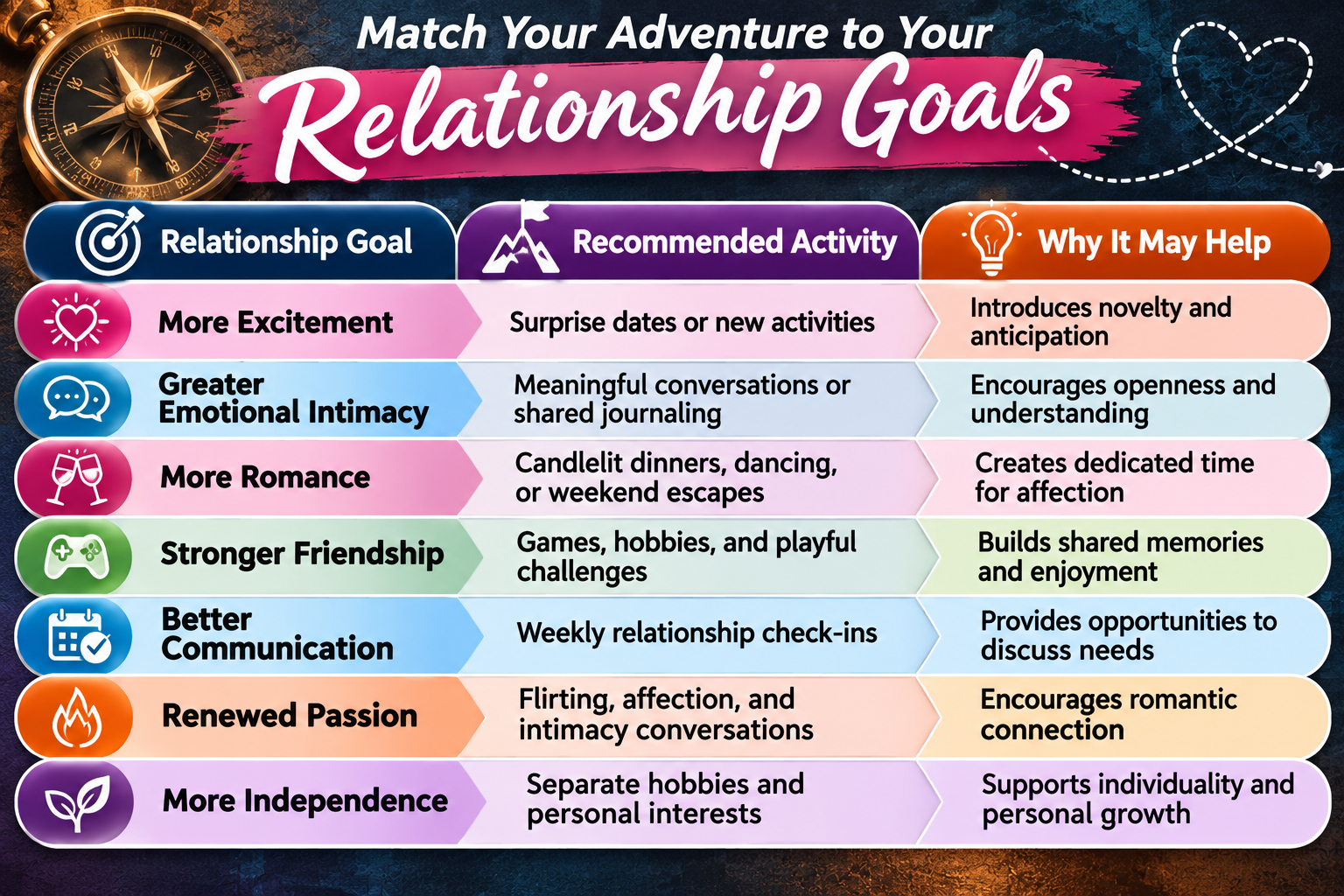
The most useful activities aren't necessarily the most exciting on paper. They're the ones both people genuinely want to experience.
Research published in 2026 involving 390 couples found that novel experiences and familiar, comforting activities were associated with different relationship benefits depending on individuals' attachment needs. This reinforces an important point: excitement should complement emotional security rather than replace it.
What Research Reveals About Life Lovers, Romance, and Shared Experiences
The connection between adventure and romantic satisfaction isn't merely an appealing lifestyle idea. Relationship researchers have investigated how new experiences, shared activities, and emotional connection influence satisfaction over time.
A foundational study published in the Journal of Personality and Social Psychology in 2000 found that couples participating in novel and exciting activities experienced improvements in relationship quality compared with those completing more ordinary tasks. The experiments involved brief activities, so the results shouldn't be interpreted as proof that every adventure produces lasting improvements. Nevertheless, they offer evidence that shared novelty can have meaningful short-term benefits.
More recent research adds useful context:
· Shared growth matters. A 2024 study found that self-expansion experiences, including learning and exploring new activities, were associated with greater relationship satisfaction and commitment.
· Travel can encourage connection. Research published in 2024 found associations between novel vacation experiences and post-vacation passion, relationship satisfaction, and physical intimacy.
DOI
· Everyday attention matters too. The Gottman Institute describes small attempts to connect, known as bids for connection, as important opportunities for partners to respond to each other.
Together, these findings suggest that a fulfilling relationship benefits from a combination of new experiences, emotional responsiveness, and opportunities for shared growth.
Life Lovers and Relationships: A Simple 30-Day Adventure Plan
You don't have to change your entire lifestyle to begin enjoying a more adventurous relationship. A manageable plan can help turn good intentions into actual experiences without creating unnecessary pressure.
Consider starting with four weeks of small experiments. Each week focuses on a different aspect of connection, allowing you to discover what feels natural, enjoyable, and meaningful.

At the end of the month, discuss which experiences were most enjoyable. You might discover that spontaneous adventures create excitement while quieter moments build the deepest emotional connection.
The purpose isn't to complete every activity perfectly. It's to learn what brings you closer and create habits that fit your real lives.
Life Lovers Dating: Building Connections That Match Your Lifestyle
For singles, the Life Lovers approach can also influence how they choose potential partners. Rather than focusing entirely on surface-level attraction, it encourages exploring compatibility through shared interests, communication, and personal values.
Dating becomes more meaningful when people are clear about what they enjoy and what kind of relationship they're seeking. Whether your interests include travel, social experiences, casual dating, or a committed partnership, communicating those preferences helps you connect with people whose expectations are compatible.
For adults exploring new romantic and social opportunities, adult friendfinder is one option for meeting people with different relationship interests.
Regardless of where you meet someone, prioritize honest communication, personal safety, mutual respect, and shared expectations. Excitement is more enjoyable when everyone understands what they're looking for.
Bringing the Life Lovers Philosophy Into Your Everyday Life
The most valuable lesson of the Life Lovers philosophy is that a fulfilling relationship isn't something you achieve once and then maintain automatically. It evolves through the choices you make, the attention you give each other, and your willingness to keep discovering new things. Romance doesn't need to resemble a movie scene or an elaborate vacation. Sometimes, the most meaningful experiences happen during an unexpected conversation, a spontaneous afternoon, or a moment when you realize how much you still enjoy each other's company.
Adventure plays an important role because it creates opportunities to experience something beyond the familiar. Trying new activities, traveling together, exploring shared hobbies, and breaking predictable routines can introduce excitement into relationships that have become comfortable. But adventure works best when both people feel enthusiastic about participating. The goal is not to chase constant stimulation or compete with other couples. It's to create experiences that fit your personalities, interests, and circumstances.
Passion and intimacy deserve equal attention. Physical affection, playful flirting, honest conversations, and emotional vulnerability can help partners maintain a connection that goes beyond everyday responsibilities. For singles, these same principles can encourage healthier dating experiences by emphasizing compatibility, communication, and personal authenticity. Whether you're beginning a relationship or strengthening one you've shared for years, meaningful connection starts with understanding yourself and respecting the person beside you.
Ultimately, being a life lover means recognizing that your love life deserves attention, creativity, and room to grow. Choose one idea from this article and put it into practice this week. Invite your partner to participate, or, if you're single, plan an experience that helps you meet people and explore your interests. Then build on what works. You don't need 12 dramatic changes to create a more exciting romantic life. You need a willingness to remain curious, make time for connection, and enjoy the experiences that make life worth sharing.
Top 10 FAQs About Life Lovers, Romance, and Relationships
What are the signs of a healthy and exciting romantic relationship?
A healthy and exciting romantic relationship combines trust, mutual respect, emotional security, physical affection, and shared enjoyment. Partners feel comfortable expressing themselves, maintain individual interests, and make time for meaningful experiences together. Excitement doesn't require constant adventure; it comes from feeling appreciated, discovering new things about each other, and maintaining a connection that continues to grow.
Can you be a life lover without being in a romantic relationship?
Yes. Being a life lover is about embracing experiences, personal growth, meaningful connections, and everyday enjoyment rather than requiring a romantic partner. Singles can pursue the Life Lovers lifestyle through travel, friendships, hobbies, self-discovery, and social activities. Developing a fulfilling independent life can also help people approach future relationships with greater confidence and clearer expectations.2
How do you know if your relationship has become too routine?
A relationship may have become overly routine when partners rarely spend intentional time together, conversations focus almost entirely on responsibilities, or romantic gestures become infrequent. However, familiarity isn't necessarily unhealthy. The important distinction is whether both people feel emotionally connected and satisfied. If boredom, distance, or dissatisfaction persists, discussing new activities and unmet needs can help identify opportunities for improvement.
What are the best low-cost ways to make a relationship more exciting?
Affordable ways to add excitement include planning themed dinners, exploring local attractions, taking scenic walks, organizing at-home movie nights, and creating personalized romantic surprises. Couples can also exchange handwritten notes, learn new skills through free online resources, or plan creative dates around shared interests. The most meaningful experiences often depend more on attention and creativity than financial investment.
How can couples maintain excitement when they have different interests?
Couples with different interests can maintain excitement by alternating activity choices, exploring unfamiliar experiences together, and respecting each other's independence. Romantic compatibility doesn't require identical hobbies or personalities. Establishing shared traditions while supporting individual passions allows both partners to grow. The goal is finding enjoyable experiences that create connection without expecting either person to abandon their preferences.
How do you keep romance alive in a long-distance relationship?
Keeping romance alive in a long-distance relationship requires consistent communication, emotional availability, and shared experiences despite physical separation. Couples can schedule virtual dates, watch movies together, exchange thoughtful messages, or plan future visits. Establishing relationship goals and discussing expectations also helps maintain closeness. Regular expressions of affection and meaningful conversations can make the distance feel more manageable.
What questions should couples ask to deepen their romantic connection?
Couples can deepen their connection by asking open-ended questions about personal dreams, emotional needs, relationship expectations, and future goals. Questions such as "When do you feel most appreciated?" or "What would you like us to experience together?" encourage honest conversations. Thoughtful questions help partners discover changing interests, understand each other's perspectives, and maintain emotional closeness beyond everyday small talk.
How do you balance independence and togetherness in a relationship?
Balancing independence and togetherness involves maintaining personal interests, friendships, and individual goals while making meaningful time for your partner. Healthy relationships allow both people to pursue separate experiences without feeling disconnected. Discussing personal boundaries, respecting individual needs, and establishing shared priorities can help couples maintain their identities while developing a strong romantic partnership.
What should couples do when one partner wants more adventure than the other?
When partners have different preferences for adventure, they should discuss what excitement means to each person and identify activities both genuinely enjoy. One partner might prefer travel and outdoor experiences, while the other values quieter romantic activities. Compromise can involve alternating date choices, trying low-pressure experiences together, and allowing independent adventures. Neither partner should feel pressured to participate in activities that make them uncomfortable.
How can you tell the difference between losing passion and falling out of love?
Losing passion often involves reduced excitement, physical affection, or romantic spontaneity while emotional attachment and commitment remain. Falling out of love may involve a more persistent decline in affection, interest, or desire to maintain the relationship. However, these experiences can overlap, and temporary stress or relationship difficulties may affect romantic feelings. Honest conversations and, when appropriate, professional relationship counseling can help couples better understand their situation.
AdultFriendFinder is a dating and social networking site for adults seeking casual connections, friendships, virtual fun, or something more adventurous.
We offer a welcoming space for open-minded individuals to explore their desires and connect with others who share their interests.
Who would you like to connect with?




RECENT ARTICLES