
Key Takeaways:
- · Life lovers embrace meaningful experiences, personal growth, and genuine connections.
- · Loving life means appreciating everyday moments without expecting constant happiness.
- · A positive mindset can strengthen communication, emotional intimacy, and healthy relationships.
- · Finding happiness in relationships requires balancing personal independence with shared experiences.
- · Living life to the fullest starts with authenticity, gratitude, and building meaningful connections.
Some people seem to have a natural enthusiasm for living. They find excitement in everyday experiences, appreciate meaningful connections, and approach new opportunities with curiosity. These individuals are often described as Life Lovers, but the deeper Life Lovers meaning goes beyond simply being happy or having a positive attitude. It reflects how people experience the world, connect with others, and create relationships that make life feel more fulfilling.
What does it mean to love life, and how does that outlook influence the people you date, befriend, or build a future with? Loving life isn't about pretending everything is wonderful. It's about recognizing what matters, embracing experiences, and developing a mindset that helps you navigate both the exciting and difficult parts of being human. Understanding this approach can change how you view happiness, personal growth, and romantic relationships.
Life Lovers Meaning: What Does It Really Mean to Love Life?
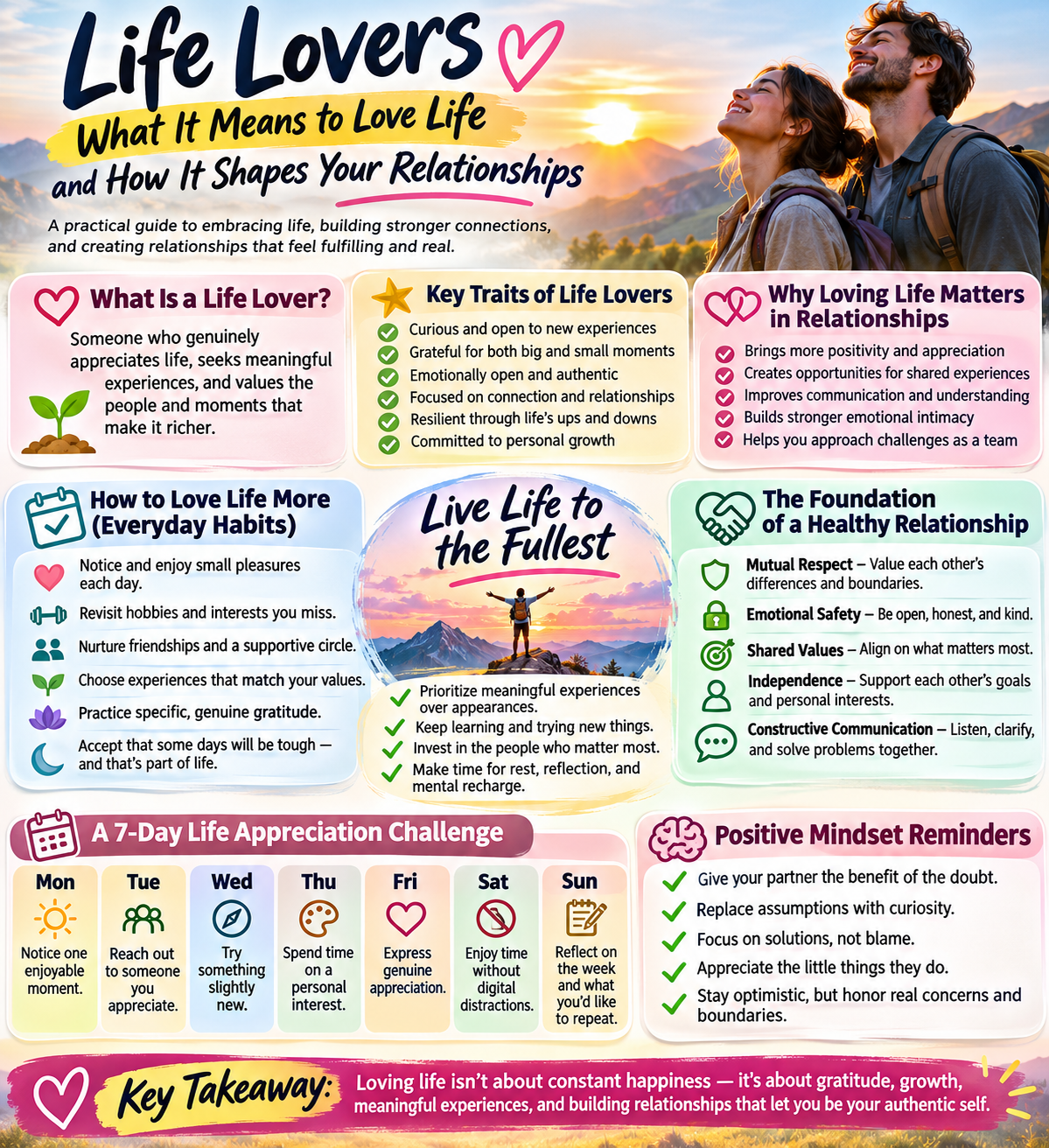
The term life lovers describes people who genuinely appreciate being alive and actively seek meaning, connection, enjoyment, and personal fulfillment. Rather than measuring happiness solely through money, accomplishments, or relationship status, they value the experiences and relationships that make everyday life worthwhile.
Importantly, being a life lover doesn't require constant optimism or an outgoing personality. Someone who enjoys quiet mornings, meaningful conversations, and familiar routines may love life just as deeply as someone who travels frequently or seeks adventure. The defining characteristic is an appreciation for life itself, including its imperfections.
Seven characteristics commonly associated with life lovers
· Curiosity: They remain interested in discovering new ideas, experiences, and perspectives.
· Gratitude: They notice meaningful moments without ignoring life's difficulties.
· Emotional openness: They allow themselves to experience happiness, sadness, excitement, and vulnerability.
· Authenticity: They make choices that reflect their values rather than constantly seeking approval.
· Connection: They invest time and energy in people who enrich their lives.
· Resilience: They recognize that setbacks are part of living and look for constructive ways forward.
· Personal growth: They remain willing to learn, reconsider assumptions, and change.
These qualities are not a personality test or a scientific classification. They're practical characteristics that help explain what people commonly mean when describing someone as a lover of life.
What Does It Mean to Love Life Without Being Happy All the Time?
One of the biggest misconceptions about loving life is that it requires an almost permanent state of happiness. Social media often reinforces this impression by highlighting exciting vacations, romantic experiences, professional achievements, and carefully selected moments of joy.
Real life is considerably more complicated. People experience stress, disappointment, grief, financial pressures, and relationship challenges. A genuine appreciation for life leaves room for those experiences instead of treating negative emotions as personal failures.
Happiness and life satisfaction are not the same thing
Psychologists distinguish between different dimensions of well
A person can experience temporary unhappiness while still feeling satisfied with the direction of their life. Similarly, someone may enjoy frequent pleasures without feeling deeply connected to their values or relationships.
For life lovers, the goal isn't to eliminate uncomfortable emotions. It's to build a life that remains meaningful even when happiness comes and goes.
Life Lovers and Relationships: How Your Outlook Influences Love
The connection between life lovers and relationships becomes especially interesting when two people begin sharing their experiences, expectations, and long-term goals. Your general outlook can influence how you communicate, respond to challenges, express affection, and interpret your partner's behavior.
However, enthusiasm alone doesn't create a successful relationship. Trust, emotional availability, mutual respect, compatibility, and the ability to resolve disagreements matter just as much. A positive outlook can support these qualities, but it cannot replace them.
How loving life may strengthen romantic connections
1. Shared experiences become opportunities for connection.
Couples who remain curious about one another may find more opportunities to connect through unfamiliar activities, new conversations, or small changes to their routines.
A new experience doesn't need to be expensive or elaborate. Exploring a neighborhood, cooking something unfamiliar, or attending a local event can create opportunities for conversation and shared memories.
2. Appreciation becomes part of everyday communication.
People who regularly notice what they value may be more inclined to acknowledge thoughtful gestures.
For example, saying, "I appreciated how you checked on me today," communicates something more personal than a routine expression of thanks.
3. Individual interests remain important.
Healthy relationships don't require partners to share every hobby, friendship, or ambition.
Someone who loves life often recognizes that personal interests can enrich a relationship rather than threaten it. Maintaining independence also gives partners fresh experiences and perspectives to share.
4. Difficult moments can become opportunities for understanding.
An appreciation for life doesn't prevent arguments. It may, however, encourage partners to approach disagreements as problems to understand rather than battles to win.
That distinction matters because relationships are shaped not only by how people behave when everything is going well, but also by how they respond when expectations aren't met.
Positive Mindset in Relationships: Why Optimism Matters
A positive mindset in relationships isn't simply about expecting good things to happen. It involves giving your partner the benefit of the doubt when appropriate, recognizing their strengths, and believing that problems can sometimes be resolved through communication and cooperation.
That outlook can influence the emotional atmosphere of a relationship. When people feel appreciated rather than constantly criticized, they may find it easier to communicate openly. Still, healthy optimism requires realism. Repeated dishonesty, disrespect, or harmful behavior should never be dismissed in the name of staying positive.
What relationship research tells us
Research by Amie Gordon and colleagues, published in the Journal of Personality and Social Psychology, found that appreciation plays an important role in maintaining romantic relationships. Across multiple studies, feeling appreciated was associated with greater responsiveness, commitment, and relationship maintenance.
Greater Good
Research by Sara Algoe and colleagues also connected everyday gratitude with increased feelings of relationship connection and satisfaction.
Greater Good
These findings offer a useful lesson for life lovers: appreciating another person isn't merely a pleasant feeling. Expressing that appreciation can become part of how a relationship is maintained.
Try replacing assumptions with curiosity
Consider a common situation: your partner seems unusually quiet after work.
A negative interpretation might be, "They're upset with me again."
An excessively positive interpretation might be, "Everything is fine, so there's no reason to ask."
A more balanced response would be, "You seem quieter than usual. Is something on your mind?"
The third approach doesn't assume the worst or ignore a possible problem. It creates room for an honest conversation.
This is where a positive mindset becomes especially valuable. Instead of forcing a cheerful interpretation, it encourages a constructive response.
Healthy Relationships: Finding the Balance
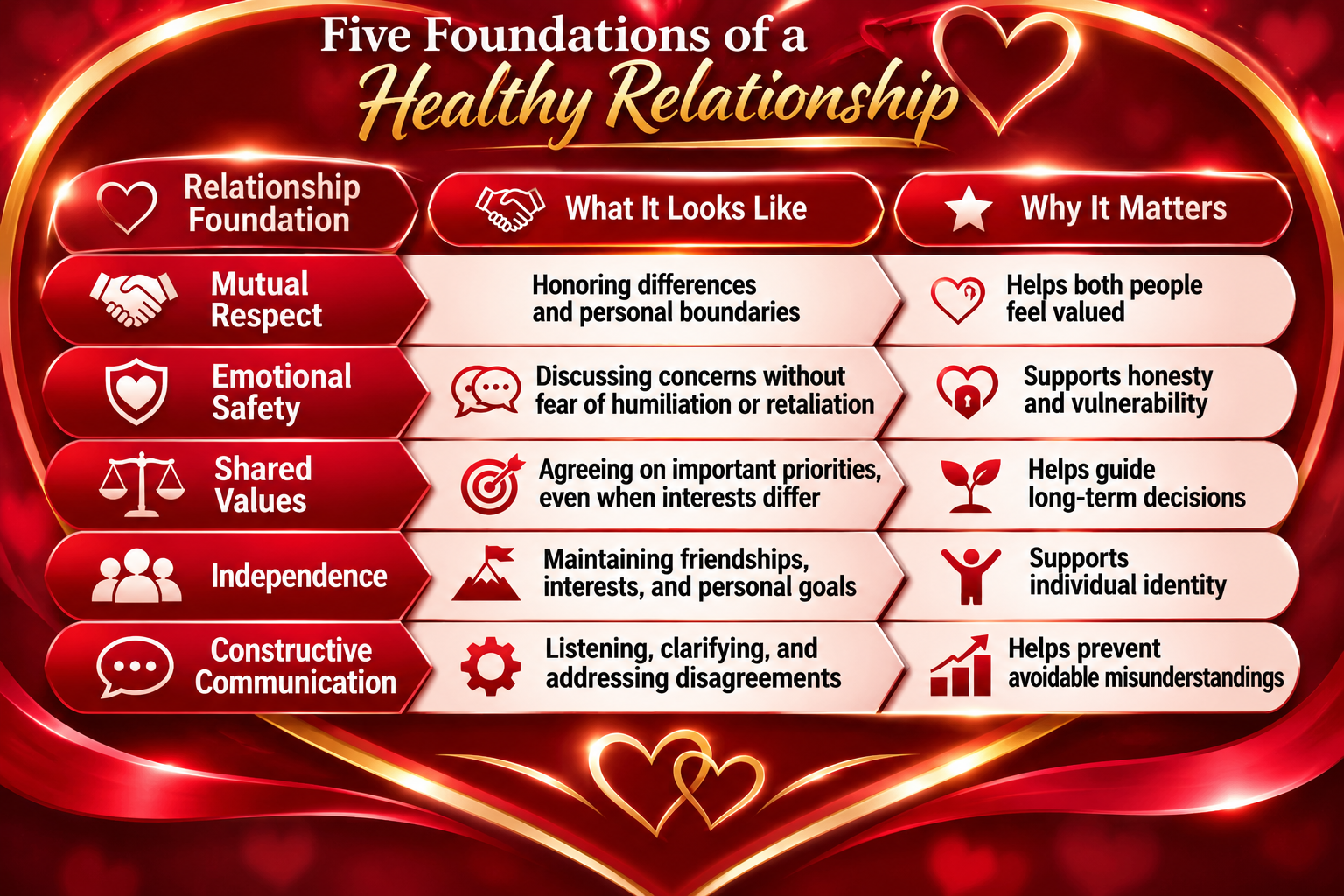
Healthy relationships provide opportunities for closeness without requiring either person to abandon their individuality. Partners can support each other's ambitions, enjoy shared experiences, and maintain separate interests while still feeling emotionally connected.
For life lovers, this balance can be especially important. Someone who enjoys exploring the world, meeting people, or pursuing personal goals may feel restricted in a relationship where independence is treated as a threat. Conversely, a person who values constant activity should recognize that their partner may need quiet time, predictability, or space.
Why compatible values matter more than identical personalities
Imagine one partner loves spontaneous weekend trips while the other prefers planning activities several weeks ahead.
At first, their differences may seem incompatible. But if both value curiosity, quality time, and mutual consideration, they can often find an arrangement that works.
Perhaps they schedule one planned outing each month while leaving room for smaller spontaneous activities.
Now consider a different couple who enjoy the same hobbies but disagree fundamentally about honesty, commitment, or respect. Shared interests may not compensate for those differences.
The lesson is straightforward:
compatibility is not about being identical. It's about whether your differences can coexist with your shared values.
How to Love Life: Practical Habits That Make Everyday Living More Meaningful
Learning how to love life doesn't require a complete personal transformation. Often, it begins with paying closer attention to ordinary experiences and making intentional choices about how you spend your time.
People sometimes postpone happiness until they reach a particular milestone: finding a partner, buying a home, changing careers, or achieving financial security. Those accomplishments may improve certain aspects of life, but relying entirely on future events for fulfillment can make the present feel like something to endure rather than experience.
Build a life you enjoy participating in
Make room for small pleasures. Enjoying your favorite music, taking a walk, preparing a meal, or spending time with a friend can make an ordinary day more satisfying.
Reconnect with neglected interests. Think about activities you once enjoyed but gradually stopped doing. Reintroducing one may help you rediscover an important part of yourself.
Practice specific gratitude. Rather than forcing yourself to list generic blessings, notice something meaningful: a friend remembering an important detail, a peaceful morning, or someone offering unexpected kindness.
Develop relationships outside romance. Friendships, family connections, and community involvement can provide support and belonging. A romantic partner shouldn't have to meet every emotional need.
Choose experiences that reflect your values. If creativity matters to you, make time to create. If connection matters, prioritize meaningful conversations. If learning excites you, explore unfamiliar subjects.
Accept that some days will be difficult. You can appreciate life while feeling tired, frustrated, disappointed, or uncertain. Loving life is not a requirement to enjoy every moment.
A practical seven-day life appreciation exercise
This original reflection exercise is designed to turn an abstract idea into small, manageable actions. It is not a clinical assessment or scientifically validated treatment.
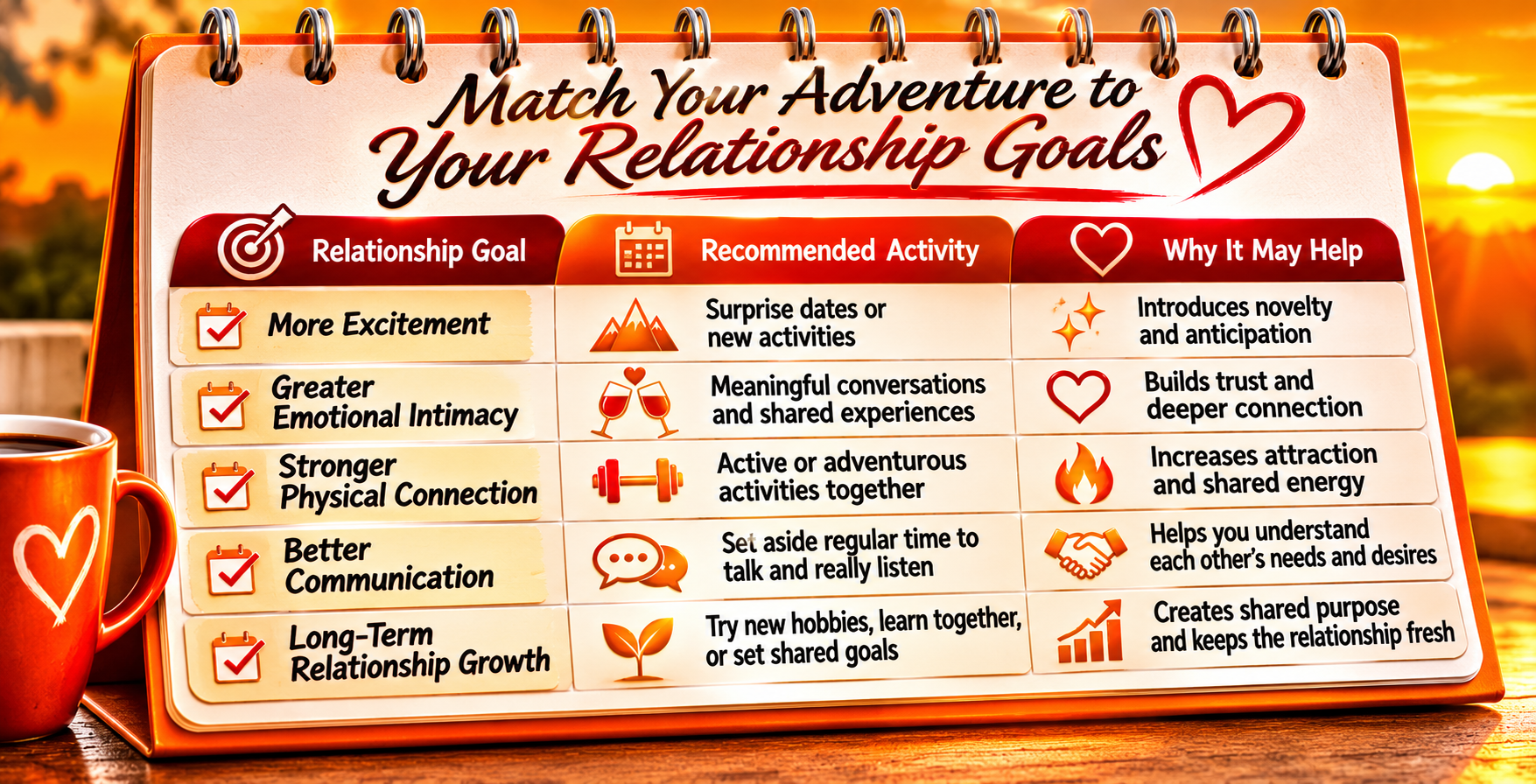
The purpose isn't to achieve seven perfect days. It's to discover which experiences genuinely improve your sense of connection, enjoyment, or purpose.
Love Life Meaning: Difference Between Loving Life and Having a Love Life
The phrase love life can refer to two different things. In one context, it describes a person's romantic experiences, dating relationships, and emotional or physical intimacy. In another, loving life describes a broader appreciation for living.
These meanings overlap, but they're not interchangeable. Someone can have an active romantic life while feeling dissatisfied with other aspects of their existence. Another person may be single, content, and deeply enthusiastic about life.
Why the distinction matters
When people associate happiness primarily with romantic success, they may begin to view being single as a problem that needs to be solved.
That mindset can create unnecessary pressure. It may also encourage people to remain in relationships that don't meet their needs because they fear losing their main source of happiness.
A broader appreciation for life encourages a different perspective: romance can be an important source of fulfillment without becoming the only source.
For example, someone might enjoy their career, friendships, hobbies, and independence while remaining open to meeting a compatible partner.
Others may enjoy exploring social and romantic connections through online platforms. For adults interested in meeting new people, adult friendfinder offers a way to explore connections based on personal preferences and relationship interests.
The important consideration is understanding what you're looking for and communicating those expectations honestly.

How to Live Life to the Fullest Without Chasing Constant Excitement
The expression live life to the fullest often brings to mind dramatic experiences: traveling internationally, taking risks, changing careers, or pursuing ambitious personal goals. Those activities can be rewarding, but they aren't universal requirements for a fulfilling life.
For some people, living fully means spending more time with family. For others, it means becoming more independent, developing creative abilities, volunteering, or building a peaceful home. The meaning depends on individual values, circumstances, and priorities.
The difference between meaningful adventure and constant stimulation
Not every exciting experience contributes to long-term fulfillment.
Consider someone who fills every weekend with activities because they're uncomfortable being alone. Their schedule may appear adventurous, but constant activity could also be preventing them from addressing important emotional needs.
Now imagine someone who spends a quiet weekend reconnecting with an old friend, learning a new skill, and reflecting on personal goals. Their experience may look less impressive on social media, but it could feel considerably more meaningful.
A useful question to ask before pursuing something new is:
Am I choosing this experience because it genuinely matters to me, or because I feel pressured to make my life look exciting?
Neither adventure nor routine is inherently better. The goal is to find a balance that supports your well-being.
Four ways to make life feel more fulfilling
1. Prioritize experiences over appearances. Choose activities for their personal value rather than how impressive they might seem to others.
2. Create opportunities for growth. Learn something unfamiliar, develop a skill, or challenge a limiting assumption.
3. Make time for meaningful relationships. Invest in people who demonstrate care, consistency, and mutual respect.
4. Protect time for rest. A fulfilling life includes recovery, reflection, and moments when nothing extraordinary needs to happen.
A person who truly loves life doesn't need every day to become an adventure. Sometimes the freedom to enjoy an ordinary afternoon is enough.
Finding Happiness in Relationships Without Losing Yourself
Finding happiness in relationships begins with understanding that a partner can contribute to your well-being but cannot be solely responsible for it. Expecting another person to provide constant happiness places pressure on both individuals.
Healthy romantic connections allow two people to share affection, companionship, and meaningful experiences while continuing to take responsibility for their own choices and emotional needs. That balance becomes particularly important during stressful periods, when neither person may have the energy to be consistently cheerful or entertaining.
Build connection through small moments
Relationship researcher John Gottman has extensively explored what he calls bids for connection: small attempts to receive attention, affection, or engagement from a partner.
A bid might involve sharing something funny, asking about the day, or inviting a partner to participate in an activity.
Gottman's research emphasizes the importance of responding to these moments rather than repeatedly ignoring or dismissing them.
Imagine your partner mentions an interesting book they're reading.
You could ignore the comment, change the subject, or ask what makes the book interesting.
The third response demonstrates curiosity. It communicates that your partner's interests matter, even when you don't share them.
Over time, these small interactions can help create a stronger sense of connection.
Recognize when positivity becomes unhealthy
There is an important difference between maintaining hope and minimizing legitimate concerns.
A person who loves life may prefer to focus on possibilities rather than problems. But healthy relationships also require acknowledging uncomfortable realities.
Warning signs include feeling pressured to hide sadness, being told that reasonable concerns are simply negativity, having boundaries repeatedly dismissed, or feeling responsible for keeping a partner happy at all times.
A supportive relationship should allow room for difficult conversations, disappointment, and emotional vulnerability.
Real optimism doesn't mean denying problems. It means approaching problems with honesty and a willingness to find constructive solutions when possible.

Life Lovers and Dating: How to Find Someone Who Shares Your Outlook
Dating can feel more rewarding when you approach it as an opportunity to discover another person's personality, values, and perspective rather than simply evaluating whether they meet a checklist. For life lovers, attraction often extends beyond physical chemistry to include curiosity, humor, emotional openness, and a shared appreciation for meaningful experiences.
That doesn't mean you need someone who matches your enthusiasm in every situation. A thoughtful, reserved person may be an excellent match for an energetic adventurer. What matters is whether both individuals respect each other's approach to life and are interested in creating a relationship that feels rewarding to both.
Questions that reveal someone's approach to life
Instead of relying entirely on familiar dating questions about work, hobbies, or favorite movies, try conversations that reveal how someone experiences the world.
· What is something simple that always makes your day better?
· When do you feel most like yourself?
· What experience changed the way you think about life?
· How do you usually handle unexpected changes?
· What is something you've always wanted to learn?
· What does a genuinely satisfying weekend look like to you?
· How important is personal independence in a relationship?
The answers can reveal more than someone's favorite activities. They may help you understand their priorities, emotional flexibility, and expectations.
Explore connections without rushing compatibility
Some people prefer traditional dating, while others enjoy meeting potential partners through shared interests, online communities, or social platforms.
Adults interested in exploring different kinds of connections may consider platforms such as adult friendfinder, where they can look for people whose interests and relationship expectations align with their own.
Other adults may enjoy social interaction through live entertainment communities such as cams.com, although these experiences should not be confused with conventional dating or an expectation of romantic availability.
Regardless of where people meet, mutual consent, clear communication, realistic expectations, and personal boundaries remain essential.
The goal isn't simply to find someone who claims to love life. It's to discover whether their actions, values, and communication style support the kind of relationship you want.
Can Two People Love Life Differently & Still Have a Healthy Relationship?
Two people can genuinely love life while expressing that appreciation in completely different ways. One may enjoy crowded social gatherings, spontaneous travel, and constant activity. The other may prefer familiar routines, quiet evenings, and meaningful one-on-one conversations.
These differences don't automatically predict relationship problems. Difficulties are more likely when partners interpret their differences as personal shortcomings or expect the other person to abandon important preferences.
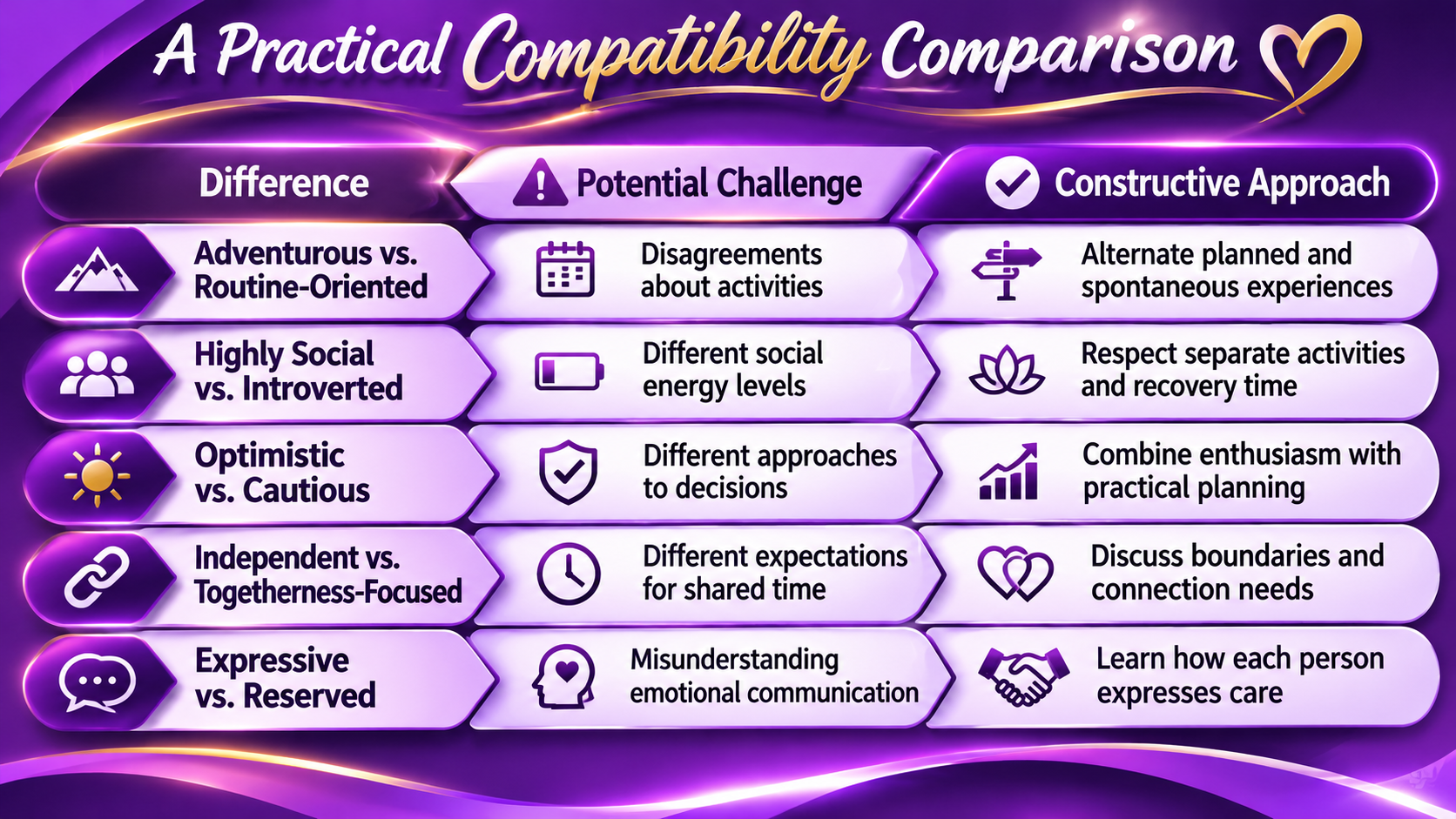
The healthiest compromise doesn't always involve meeting exactly halfway. Sometimes one partner participates in an activity the other loves. Other times, they support each other's independence.
What matters is whether both people feel heard, respected, and free to express their authentic personalities.
Bringing It All Together: Make Loving Life Part of How You Love Others
Understanding the life lovers meaning offers a different way to think about happiness. Loving life isn't a personality type reserved for naturally cheerful, adventurous, or outgoing people. It's an approach to living that emphasizes appreciation, curiosity, meaningful experiences, and personal connection. You don't need extraordinary circumstances to develop it. Often, the most important changes begin with how you experience ordinary moments.
Your outlook can also influence the quality of your relationships. When you appreciate your partner, remain interested in their experiences, and approach disagreements constructively, you create opportunities for greater understanding. Research on gratitude and everyday connection supports the value of these behaviors, although no single attitude guarantees romantic success. Healthy relationships still depend on trust, communication, boundaries, and mutual effort.
It's equally important to remember that loving life and finding romantic happiness aren't the same thing. A fulfilling life can include romance, friendship, personal achievement, creativity, independence, and quiet contentment. Building satisfaction across several areas of life can help you approach dating with clearer expectations rather than looking for another person to provide your entire sense of purpose.
If you're wondering how to love life more fully, begin with something manageable. Reconnect with an interest you've neglected, express appreciation to someone important, explore a new experience, or make time for an honest conversation. Notice which activities leave you feeling more engaged and connected. Those observations can help you make choices that reflect what genuinely matters to you.
Ultimately, the most valuable lesson for life lovers is that a meaningful life isn't measured by how exciting it appears to others. It's shaped by the quality of your experiences, the care you give and receive, and your willingness to keep learning about yourself and the people around you. When you build a life you genuinely appreciate, you also create more opportunities to share that appreciation with someone else.
Research and editorial sources
The article draws on relationship research and established psychological concepts rather than treating "life lovers" as a formally recognized psychological category.
· Gordon et al. — Gratitude Promotes Relationship Maintenance in Intimate Bonds — Research on appreciation, commitment, and relationship maintenance.
· Algoe et al. — Everyday Gratitude as a Booster Shot for Romantic Relationships — Research examining everyday gratitude and relationship satisfaction.
· The Gottman Institute — Improve Your Relationship by Paying Attention to Bids — Explanation of everyday attempts at emotional connection.
· Greater Good Science Center — Is Lack of Gratitude Dragging Down Your Relationship? — A nuanced discussion of gratitude research and its limitations.
Frequently Asked Questions About Life Lovers, Happiness, and Relationships
What are the signs that someone genuinely loves their life?
Someone who genuinely loves life often demonstrates curiosity, emotional awareness, gratitude, and satisfaction with their personal choices. They tend to pursue meaningful interests, maintain supportive relationships, and appreciate experiences without constantly comparing themselves to others. These individuals aren't necessarily happy all the time. Instead, they recognize that both positive and difficult experiences contribute to personal growth and a fulfilling life.
Can learning to love yourself improve your romantic relationships?
Yes. Developing self-acceptance can help people establish healthier boundaries, communicate their needs, and maintain their individuality in romantic relationships. People who recognize their own value may be less likely to depend entirely on a partner for validation. Loving yourself doesn't mean becoming selfish or avoiding compromise. It means recognizing that your emotional well-being matters alongside your partner's happiness.
Why do some people struggle to feel happy even when their lives are going well?
People may struggle to feel happy despite favorable circumstances because emotional well-being involves more than external success. Chronic stress, loneliness, unrealistic expectations, social comparison, and a lack of personal fulfillment can all influence satisfaction. Sometimes, persistent unhappiness may also be associated with depression or other mental health concerns. Recognizing the difference between having desirable circumstances and feeling emotionally fulfilled is an important step toward understanding personal happiness.
How can you tell if your relationship is adding happiness to your life?
A relationship contributes positively to your life when you generally feel respected, emotionally supported, accepted, and comfortable expressing yourself. Other encouraging signs include mutual encouragement, enjoyable companionship, constructive disagreements, and opportunities for personal growth. No relationship feels wonderful every day, but the overall experience should support your well-being rather than consistently undermine your confidence, independence, or emotional security.
What is the difference between emotional fulfillment and romantic attraction?
Romantic attraction involves feelings of interest, desire, excitement, or affection toward another person. Emotional fulfillment is broader and develops through experiences such as trust, understanding, belonging, and meaningful connection. Strong attraction can exist without emotional compatibility, while fulfilling relationships often involve qualities beyond initial chemistry. Understanding this difference helps people evaluate whether a romantic connection offers both excitement and the potential for lasting satisfaction.
Can a lack of purpose in life affect your romantic relationships?
Yes. Feeling disconnected from personal goals or meaningful activities may influence how someone approaches romantic relationships. Some people begin expecting their partners to provide direction, motivation, or a complete sense of identity. While relationships can contribute significantly to personal purpose, maintaining interests and goals outside romance can create a healthier balance. Developing individual fulfillment may also reduce unrealistic expectations placed on a partner.
How does emotional intelligence help people build happier relationships?
Emotional intelligence involves recognizing, understanding, and managing emotions while responding thoughtfully to other people's feelings. In relationships, these abilities can help partners identify misunderstandings, communicate frustrations, and respond with empathy. For example, recognizing that irritation comes from work-related stress rather than a partner's behavior can prevent unnecessary conflict. Emotional intelligence doesn't eliminate disagreements, but it can support more constructive responses.
Why is emotional connection more important than having everything in common?
Emotional connection helps people feel understood, valued, and supported, even when their personalities or interests differ. Having similar hobbies may create opportunities for shared enjoyment, but those similarities don't automatically establish trust or intimacy. Two people with different lifestyles can develop a satisfying relationship when they communicate openly and respect each other's needs. Emotional compatibility often depends more on responsiveness, mutual understanding, and shared priorities than identical interests.
How can you stop comparing your relationship to other people's relationships?
Start by recognizing that other people's relationships are usually visible only in fragments, especially on social media. Public displays of romance rarely reveal the full picture of communication, challenges, or everyday responsibilities. Instead of comparing vacations, gifts, or romantic gestures, evaluate your relationship according to your own values. Consider whether you feel respected, supported, and satisfied. Focusing on your actual experiences can help reduce unrealistic expectations and unnecessary dissatisfaction.
What are the most important ingredients for long-term happiness and life satisfaction?
Long-term happiness and life satisfaction are influenced by several interconnected factors, including meaningful relationships, physical and mental well-being, personal purpose, emotional resilience, and a sense of autonomy. Financial stability and supportive environments also matter. No single habit guarantees happiness, and priorities may change throughout life. A balanced approach involves maintaining close connections, pursuing worthwhile activities, caring for your health, and periodically reassessing what gives your life meaning.
AdultFriendFinder is a dating and social networking site for adults seeking casual connections, friendships, virtual fun, or something more adventurous.
We offer a welcoming space for open-minded individuals to explore their desires and connect with others who share their interests.
Who would you like to connect with?




RECENT ARTICLES